[fusion_builder_container hundred_percent=»yes» overflow=»visible»][fusion_builder_row][fusion_builder_column type=»1_1″ last=»yes» spacing=»yes» center_content=»no» hide_on_mobile=»no» background_color=»» background_image=»» background_repeat=»no-repeat» background_position=»left top» hover_type=»none» link=»» border_position=»all» border_size=»0px» border_color=»» border_style=»» padding=»» margin_top=»» margin_bottom=»» animation_type=»» animation_direction=»» animation_speed=»0.1″ animation_offset=»» class=»» id=»»][fusion_text]
Osteoartritis. Espondiloartrosis lumbar
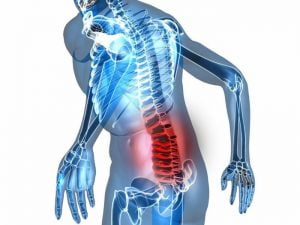
El término espondiloartrosis hace referencia a los cambios degenerativos en la columna vertebral asociados en la mayoría de los casos a la presencia de dolor.[/fusion_text][/fusion_builder_column][fusion_builder_column type=»1_2″ last=»no» spacing=»yes» center_content=»no» hide_on_mobile=»no» background_color=»» background_image=»» background_repeat=»no-repeat» background_position=»left top» hover_type=»none» link=»» border_position=»all» border_size=»0px» border_color=»» border_style=»» padding=»» margin_top=»» margin_bottom=»» animation_type=»» animation_direction=»» animation_speed=»0.1″ animation_offset=»» class=»» id=»»][fusion_text]Es una enfermedad articular muy frecuente, que padecen entre 2 y 4 millones de personas en España. Es el origen de una gran morbilidad y malestar, además de ser la causante de un enorme gasto social.
Debido al aumento en la expectativa de vida de la población, cada vez es más frecuente, predominando en pacientes de más de 60 años.[/fusion_text][/fusion_builder_column][fusion_builder_column type=»1_2″ last=»yes» spacing=»yes» center_content=»no» hide_on_mobile=»no» background_color=»» background_image=»» background_repeat=»no-repeat» background_position=»left top» hover_type=»none» link=»» border_position=»all» border_size=»0px» border_color=»» border_style=»» padding=»» margin_top=»» margin_bottom=»» animation_type=»» animation_direction=»» animation_speed=»0.1″ animation_offset=»» class=»» id=»»][fusion_imageframe lightbox=»no» gallery_id=»» lightbox_image=»» style_type=»none» hover_type=»none» bordercolor=»» bordersize=»0px» borderradius=»0″ stylecolor=»» align=»none» link=»» linktarget=»_self» animation_type=»0″ animation_direction=»down» animation_speed=»0.1″ animation_offset=»» hide_on_mobile=»no» class=»» id=»»]
[/fusion_imageframe][/fusion_builder_column][fusion_builder_column type=»1_1″ last=»yes» spacing=»yes» center_content=»no» hide_on_mobile=»no» background_color=»» background_image=»» background_repeat=»no-repeat» background_position=»left top» hover_type=»none» link=»» border_position=»all» border_size=»0px» border_color=»» border_style=»» padding=»» margin_top=»» margin_bottom=»» animation_type=»» animation_direction=»» animation_speed=»0.1″ animation_offset=»» class=»» id=»»][fusion_text]Este proceso degenerativo se debe a la edad, pudiéndose presentar en jóvenes, ya que los cambios degenerativos se inician en la tercera década de la vida con la pérdida de agua del núcleo pulposo del disco intervertebral.
En algunas ocasiones su origen se debe a lesiones previas producidas por rotaciones o por carga axial importante, así como a factores como: el sobrepeso, enfermedades concomitantes, actividades físicas y/o laborales,….
La espondiloartrosis se asienta sobre articulaciones con movimiento libre y cavidad articular, articulación diartrodial, que son articulación con una cavidad articular dentro de una cápsula ligamentosa.
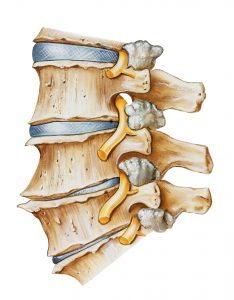
En esta articulación se establece una secuencia de eventos que se inicia con trastornos bioquímicos y mecánicos a nivel del disco intervertebral que producen una pérdida focal y progresiva del cartílago, acompañada por una reacción hipertrófica (esclerosis) en el hueso subcondral y formación de hueso nuevo (osteofitos) en los márgenes de la articulación, en un intento reparador del tejido óseo y, en casos avanzados, por una reacción inflamatoria sinovial moderada.
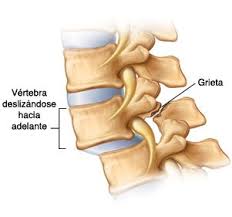
Estos cambios degenerativos se asocian e involucran en el complejo facetario e incluso pueden llegar a manifestarse con espondilolistesis, siendo el nivel más afectado en relación a estos cambios degenerativos es L4- L5, en cuyo caso se manifestará como anterolistesis; los casos de retrolistesis principalmente afectan al ivel L5-S1.[/fusion_text][/fusion_builder_column][fusion_builder_column type=»1_2″ last=»no» spacing=»yes» center_content=»no» hide_on_mobile=»no» background_color=»» background_image=»» background_repeat=»no-repeat» background_position=»left top» hover_type=»none» link=»» border_position=»all» border_size=»0px» border_color=»» border_style=»» padding=»» margin_top=»» margin_bottom=»» animation_type=»» animation_direction=»» animation_speed=»0.1″ animation_offset=»» class=»» id=»»][fusion_imageframe lightbox=»no» gallery_id=»» lightbox_image=»» style_type=»none» hover_type=»none» bordercolor=»» bordersize=»0px» borderradius=»0″ stylecolor=»» align=»none» link=»» linktarget=»_self» animation_type=»0″ animation_direction=»down» animation_speed=»0.1″ animation_offset=»» hide_on_mobile=»no» class=»» id=»»]
[/fusion_imageframe][/fusion_builder_column][fusion_builder_column type=»1_2″ last=»yes» spacing=»yes» center_content=»no» hide_on_mobile=»no» background_color=»» background_image=»» background_repeat=»no-repeat» background_position=»left top» hover_type=»none» link=»» border_position=»all» border_size=»0px» border_color=»» border_style=»» padding=»» margin_top=»» margin_bottom=»» animation_type=»» animation_direction=»» animation_speed=»0.1″ animation_offset=»» class=»» id=»»][fusion_imageframe lightbox=»no» gallery_id=»» lightbox_image=»» style_type=»none» hover_type=»none» bordercolor=»» bordersize=»0px» borderradius=»0″ stylecolor=»» align=»none» link=»» linktarget=»_self» animation_type=»0″ animation_direction=»down» animation_speed=»0.1″ animation_offset=»» hide_on_mobile=»no» class=»» id=»»]
[/fusion_imageframe][/fusion_builder_column][fusion_builder_column type=»1_1″ last=»yes» spacing=»yes» center_content=»no» hide_on_mobile=»no» background_color=»» background_image=»» background_repeat=»no-repeat» background_position=»left top» hover_type=»none» link=»» border_position=»all» border_size=»0px» border_color=»» border_style=»» padding=»» margin_top=»» margin_bottom=»» animation_type=»» animation_direction=»» animation_speed=»0.1″ animation_offset=»» class=»» id=»»][fusion_text]Estas alteraciones provocan en el enfermo dolor de carácter mecánico y, en los estadios más avanzados, inflamación y deformidad articular y finalmente, una progresiva incapacidad funcional.[/fusion_text][/fusion_builder_column][fusion_builder_column type=»1_2″ last=»no» spacing=»yes» center_content=»no» hide_on_mobile=»no» background_color=»» background_image=»» background_repeat=»no-repeat» background_position=»left top» hover_type=»none» link=»» border_position=»all» border_size=»0px» border_color=»» border_style=»» padding=»» margin_top=»» margin_bottom=»» animation_type=»» animation_direction=»» animation_speed=»0.1″ animation_offset=»» class=»» id=»»][fusion_text]El dolor mecánico es gradual y es también el síntoma cardinal de la espondiloartrosis. Con frecuencia se acompaña de un dolor radicular irradiado debido a la compresión de las raíces nerviosas por los osteofitos (neuralgias, ciatalgias), localizado en la región lumbar e irradiado a la nalga o pierna. Puede haber presencia de parestesias o debilidad muscular en el miembro pélvico.[/fusion_text][/fusion_builder_column][fusion_builder_column type=»1_2″ last=»yes» spacing=»yes» center_content=»no» hide_on_mobile=»no» background_color=»» background_image=»» background_repeat=»no-repeat» background_position=»left top» hover_type=»none» link=»» border_position=»all» border_size=»0px» border_color=»» border_style=»» padding=»» margin_top=»» margin_bottom=»» animation_type=»» animation_direction=»» animation_speed=»0.1″ animation_offset=»» class=»» id=»»][fusion_imageframe lightbox=»no» gallery_id=»» lightbox_image=»» style_type=»none» hover_type=»none» bordercolor=»» bordersize=»0px» borderradius=»0″ stylecolor=»» align=»none» link=»» linktarget=»_self» animation_type=»0″ animation_direction=»down» animation_speed=»0.1″ animation_offset=»» hide_on_mobile=»no» class=»» id=»»]
[/fusion_imageframe][/fusion_builder_column][fusion_builder_column type=»1_1″ last=»yes» spacing=»yes» center_content=»no» hide_on_mobile=»no» background_color=»» background_image=»» background_repeat=»no-repeat» background_position=»left top» hover_type=»none» link=»» border_position=»all» border_size=»0px» border_color=»» border_style=»» padding=»» margin_top=»» margin_bottom=»» animation_type=»» animation_direction=»» animation_speed=»0.1″ animation_offset=»» class=»» id=»»][fusion_text]En estadios avanzados se produce una marcha característica con la columna ligeramente flexionada para mitigar el dolor.
Síntomas
Consisten en dolor y rigidez que aumentan gradualmente. Inicialmente el dolor y la rigidez ocurren tras períodos de inactividad. Posteriormente, el dolor empeora con la actividad física y al permanecer sentado de forma prolongada.
Causas
Algunas de las posibles causas para su aparición son:
-La sobrecarga excesiva de la columna
-Obesidad
-Deformidades de la columna y alteraciones del cartílago.
-El envejecimiento
-La menopausia
-Ciertos ejercicios o trabajos que requieren movimientos repetitivos, particularmente pesados.
-Antecedentes familiares de espondiloartrosis o defectos congénitos de anormalidades en articulaciones, columna vertebral o piernas.
-La presencia de otras enfermedades asociadas como la artritis reumatoide.
Tratamiento
Debe estar dirigido al manejo del dolor, manteniendo la movilidad articular. Retrasar la progresión del daño y proteger las articulaciones.
Se debe contemplar un tratamiento farmacológico y no farmacológico, con medicamentos, fisioterapia y uso de ortesis, bajar de peso y modificaciones en las actividades laborales.
El tratamiento con órtesis puede incluir fajas o corsés semirrígidos con refuerzos posteriores en la zona dorso – lumbar o lumbosacra, dependiendo del grado de inmovilización que queramos conseguir. Este tipo de órtesis debe emplearse en fases agudas, incluso subagudas, pero deben retirarse lo antes posible a fin de evitar atrofias en la musculatura paravertebral. También podrían utilizarse de manera preventiva durante la práctica de tareas domésticas o laborales de riesgo.
Algunas de las medidas adicionales que se pueden tomar son:[/fusion_text][/fusion_builder_column][fusion_builder_column type=»1_2″ last=»no» spacing=»yes» center_content=»no» hide_on_mobile=»no» background_color=»» background_image=»» background_repeat=»no-repeat» background_position=»left top» hover_type=»none» link=»» border_position=»all» border_size=»0px» border_color=»» border_style=»» padding=»» margin_top=»» margin_bottom=»» animation_type=»» animation_direction=»» animation_speed=»0.1″ animation_offset=»» class=»» id=»»][fusion_text]
- Conocer las causas que producen el dolor.
- Buena higiene postural (agacharse y coger pesos con la espalda recta)
[/fusion_text][/fusion_builder_column][fusion_builder_column type=»1_2″ last=»yes» spacing=»yes» center_content=»no» hide_on_mobile=»no» background_color=»» background_image=»» background_repeat=»no-repeat» background_position=»left top» hover_type=»none» link=»» border_position=»all» border_size=»0px» border_color=»» border_style=»» padding=»» margin_top=»» margin_bottom=»» animation_type=»» animation_direction=»» animation_speed=»0.1″ animation_offset=»» class=»» id=»»][fusion_imageframe lightbox=»no» gallery_id=»» lightbox_image=»» style_type=»none» hover_type=»none» bordercolor=»» bordersize=»0px» borderradius=»0″ stylecolor=»» align=»none» link=»» linktarget=»_self» animation_type=»0″ animation_direction=»down» animation_speed=»0.1″ animation_offset=»» hide_on_mobile=»no» class=»» id=»»]
[/fusion_imageframe][/fusion_builder_column][fusion_builder_column type=»1_2″ last=»no» spacing=»yes» center_content=»no» hide_on_mobile=»no» background_color=»» background_image=»» background_repeat=»no-repeat» background_position=»left top» hover_type=»none» link=»» border_position=»all» border_size=»0px» border_color=»» border_style=»» padding=»» margin_top=»» margin_bottom=»» animation_type=»» animation_direction=»» animation_speed=»0.1″ animation_offset=»» class=»» id=»»][fusion_text]
- Descansar durante la fase de inflamación activa.
- Termoterapia de compresión (microondas y ultrasonidos).
- Estimulación eléctrica transcutánea (TENS y ELECTROESTIMULADORES COMPEX).
[/fusion_text][/fusion_builder_column][fusion_builder_column type=»1_2″ last=»yes» spacing=»yes» center_content=»no» hide_on_mobile=»no» background_color=»» background_image=»» background_repeat=»no-repeat» background_position=»left top» hover_type=»none» link=»» border_position=»all» border_size=»0px» border_color=»» border_style=»» padding=»» margin_top=»» margin_bottom=»» animation_type=»» animation_direction=»» animation_speed=»0.1″ animation_offset=»» class=»» id=»»][fusion_imageframe lightbox=»no» gallery_id=»» lightbox_image=»» style_type=»none» hover_type=»none» bordercolor=»» bordersize=»0px» borderradius=»0″ stylecolor=»» align=»none» link=»» linktarget=»_self» animation_type=»0″ animation_direction=»down» animation_speed=»0.1″ animation_offset=»» hide_on_mobile=»no» class=»» id=»»]
[/fusion_imageframe][/fusion_builder_column][fusion_builder_column type=»1_2″ last=»no» spacing=»yes» center_content=»no» hide_on_mobile=»no» background_color=»» background_image=»» background_repeat=»no-repeat» background_position=»left top» hover_type=»none» link=»» border_position=»all» border_size=»0px» border_color=»» border_style=»» padding=»» margin_top=»» margin_bottom=»» animation_type=»» animation_direction=»» animation_speed=»0.1″ animation_offset=»» class=»» id=»»][fusion_text]
- Ejercicio de bajo impacto (bicicleta, nadar, reforzar musculatura lumbar, abdominal, cuadriceps, isquiotibiales)
[/fusion_text][/fusion_builder_column][fusion_builder_column type=»1_2″ last=»yes» spacing=»yes» center_content=»no» hide_on_mobile=»no» background_color=»» background_image=»» background_repeat=»no-repeat» background_position=»left top» hover_type=»none» link=»» border_position=»all» border_size=»0px» border_color=»» border_style=»» padding=»» margin_top=»» margin_bottom=»» animation_type=»» animation_direction=»» animation_speed=»0.1″ animation_offset=»» class=»» id=»»][fusion_imageframe lightbox=»no» gallery_id=»» lightbox_image=»» style_type=»none» hover_type=»none» bordercolor=»» bordersize=»0px» borderradius=»0″ stylecolor=»» align=»none» link=»» linktarget=»_self» animation_type=»0″ animation_direction=»down» animation_speed=»0.1″ animation_offset=»» hide_on_mobile=»no» class=»» id=»»]
[/fusion_imageframe][/fusion_builder_column][fusion_builder_column type=»1_1″ last=»yes» spacing=»yes» center_content=»no» hide_on_mobile=»no» background_color=»» background_image=»» background_repeat=»no-repeat» background_position=»left top» hover_type=»none» link=»» border_position=»all» border_size=»0px» border_color=»» border_style=»» padding=»» margin_top=»» margin_bottom=»» animation_type=»» animation_direction=»» animation_speed=»0.1″ animation_offset=»» class=»» id=»»][fusion_text]
- Aplicar calor y frío para reducir la inflamación.
- Hidroterapia.
- Tracciones vertebrales que expanden el espacio intersomático, disminuyendo la presión sobre las emergencias radiculares.
- Apoyo adecuado de la espalda (Colchón, silla,..)
- Peso ideal
- Tratamiento complementario además del standart (osteópata)
- Analgesia
- La cirugía solo se practica en casos con dolor persistente y que no puede ser controlable con medicación y consiste en fusionar los espacios con artrosis usando tornillos
- Tratamiento ortésico
[/fusion_text][/fusion_builder_column][fusion_builder_column type=»1_2″ last=»no» spacing=»yes» center_content=»no» hide_on_mobile=»no» background_color=»» background_image=»» background_repeat=»no-repeat» background_position=»left top» hover_type=»none» link=»» border_position=»all» border_size=»0px» border_color=»» border_style=»» padding=»» margin_top=»» margin_bottom=»» animation_type=»» animation_direction=»» animation_speed=»0.1″ animation_offset=»» class=»» id=»»][fusion_text]Corsé rígido lumbosacro LSO
Espondiloartrosis. Espondilolisis con o sin estabilidad. Traumatismos. Fracturas por compresión. Enfermedad degenerativa de los discos.[/fusion_text][/fusion_builder_column][fusion_builder_column type=»1_2″ last=»yes» spacing=»yes» center_content=»no» hide_on_mobile=»no» background_color=»» background_image=»» background_repeat=»no-repeat» background_position=»left top» hover_type=»none» link=»» border_position=»all» border_size=»0px» border_color=»» border_style=»» padding=»» margin_top=»» margin_bottom=»» animation_type=»» animation_direction=»» animation_speed=»0.1″ animation_offset=»» class=»» id=»»][fusion_imageframe lightbox=»no» gallery_id=»» lightbox_image=»» style_type=»none» hover_type=»none» bordercolor=»» bordersize=»0px» borderradius=»0″ stylecolor=»» align=»none» link=»» linktarget=»_self» animation_type=»0″ animation_direction=»down» animation_speed=»0.1″ animation_offset=»» hide_on_mobile=»no» class=»» id=»»]
[/fusion_imageframe][/fusion_builder_column][fusion_builder_column type=»1_2″ last=»no» spacing=»yes» center_content=»no» hide_on_mobile=»no» background_color=»» background_image=»» background_repeat=»no-repeat» background_position=»left top» hover_type=»none» link=»» border_position=»all» border_size=»0px» border_color=»» border_style=»» padding=»» margin_top=»» margin_bottom=»» animation_type=»» animation_direction=»» animation_speed=»0.1″ animation_offset=»» class=»» id=»»][fusion_text]Corsé rígido toraco-lumbosacro LSO
Con las mismas indicaciones que el anterior.[/fusion_text][/fusion_builder_column][fusion_builder_column type=»1_2″ last=»yes» spacing=»yes» center_content=»no» hide_on_mobile=»no» background_color=»» background_image=»» background_repeat=»no-repeat» background_position=»left top» hover_type=»none» link=»» border_position=»all» border_size=»0px» border_color=»» border_style=»» padding=»» margin_top=»» margin_bottom=»» animation_type=»» animation_direction=»» animation_speed=»0.1″ animation_offset=»» class=»» id=»»][fusion_imageframe lightbox=»no» gallery_id=»» lightbox_image=»» style_type=»none» hover_type=»none» bordercolor=»» bordersize=»0px» borderradius=»0″ stylecolor=»» align=»none» link=»» linktarget=»_self» animation_type=»0″ animation_direction=»down» animation_speed=»0.1″ animation_offset=»» hide_on_mobile=»no» class=»» id=»»]
[/fusion_imageframe][/fusion_builder_column][fusion_builder_column type=»1_2″ last=»no» spacing=»yes» center_content=»no» hide_on_mobile=»no» background_color=»» background_image=»» background_repeat=»no-repeat» background_position=»left top» hover_type=»none» link=»» border_position=»all» border_size=»0px» border_color=»» border_style=»» padding=»» margin_top=»» margin_bottom=»» animation_type=»» animation_direction=»» animation_speed=»0.1″ animation_offset=»» class=»» id=»»][fusion_text]Corsé semirrígido Star Brace Dynamic
Ortesis sacrolumbar semirrígida fabricada en material transpirable bicapa.
Procesos degenerativos, espondiloartrosis, fuerte sujeción sacrolumbar, perfecta adaptación anatómica y comodidad en su uso diario.[/fusion_text][/fusion_builder_column][fusion_builder_column type=»1_2″ last=»yes» spacing=»yes» center_content=»no» hide_on_mobile=»no» background_color=»» background_image=»» background_repeat=»no-repeat» background_position=»left top» hover_type=»none» link=»» border_position=»all» border_size=»0px» border_color=»» border_style=»» padding=»» margin_top=»» margin_bottom=»» animation_type=»» animation_direction=»» animation_speed=»0.1″ animation_offset=»» class=»» id=»»][fusion_imageframe lightbox=»no» gallery_id=»» lightbox_image=»» style_type=»none» hover_type=»none» bordercolor=»» bordersize=»0px» borderradius=»0″ stylecolor=»» align=»none» link=»» linktarget=»_self» animation_type=»0″ animation_direction=»down» animation_speed=»0.1″ animation_offset=»» hide_on_mobile=»no» class=»» id=»»]
[/fusion_imageframe][/fusion_builder_column][fusion_builder_column type=»1_2″ last=»no» spacing=»yes» center_content=»no» hide_on_mobile=»no» background_color=»» background_image=»» background_repeat=»no-repeat» background_position=»left top» hover_type=»none» link=»» border_position=»all» border_size=»0px» border_color=»» border_style=»» padding=»» margin_top=»» margin_bottom=»» animation_type=»» animation_direction=»» animation_speed=»0.1″ animation_offset=»» class=»» id=»»][fusion_text]Corsé bibalvo toraco-lumbosacro fabricado en polietileno de baja densidad.
Nos permite una perfecta inmovilización de la columna toraco-lumbosacra gracias a sus dos valvas envolventes ajustadas mediante un sistema de velcros, manteniendo la columna en extensión completa, evitando giros laterales y movimientos de rotación.
Indicado en patologías que requieran una inmovilización de la zona dorsolumbar como los procesos preoperatorios y postoperatorios de columna. Fracturas vertebrales. Espondiloartrosis. Neoplasias que produzcan procesos degenerativos de la columna.[/fusion_text][/fusion_builder_column][fusion_builder_column type=»1_2″ last=»yes» spacing=»yes» center_content=»no» hide_on_mobile=»no» background_color=»» background_image=»» background_repeat=»no-repeat» background_position=»left top» hover_type=»none» link=»» border_position=»all» border_size=»0px» border_color=»» border_style=»» padding=»» margin_top=»» margin_bottom=»» animation_type=»» animation_direction=»» animation_speed=»0.1″ animation_offset=»» class=»» id=»»][fusion_imageframe lightbox=»no» gallery_id=»» lightbox_image=»» style_type=»none» hover_type=»none» bordercolor=»» bordersize=»0px» borderradius=»0″ stylecolor=»» align=»none» link=»» linktarget=»_self» animation_type=»0″ animation_direction=»down» animation_speed=»0.1″ animation_offset=»» hide_on_mobile=»no» class=»» id=»»]
[/fusion_imageframe][/fusion_builder_column][fusion_builder_column type=»1_2″ last=»no» spacing=»yes» center_content=»no» hide_on_mobile=»no» background_color=»» background_image=»» background_repeat=»no-repeat» background_position=»left top» hover_type=»none» link=»» border_position=»all» border_size=»0px» border_color=»» border_style=»» padding=»» margin_top=»» margin_bottom=»» animation_type=»» animation_direction=»» animation_speed=»0.1″ animation_offset=»» class=»» id=»»][fusion_text]Corsé Osteobrace rígido bivalvo sacro-lumbar.
Placas de termoplástico conformadas lumbosacra y abdominal
Indicado en espondiloartritis, discopatías degenerativas, fractura osteoporótica.[/fusion_text][/fusion_builder_column][fusion_builder_column type=»1_2″ last=»yes» spacing=»yes» center_content=»no» hide_on_mobile=»no» background_color=»» background_image=»» background_repeat=»no-repeat» background_position=»left top» hover_type=»none» link=»» border_position=»all» border_size=»0px» border_color=»» border_style=»» padding=»» margin_top=»» margin_bottom=»» animation_type=»» animation_direction=»» animation_speed=»0.1″ animation_offset=»» class=»» id=»»][fusion_imageframe lightbox=»no» gallery_id=»» lightbox_image=»» style_type=»none» hover_type=»none» bordercolor=»» bordersize=»0px» borderradius=»0″ stylecolor=»» align=»none» link=»» linktarget=»_self» animation_type=»0″ animation_direction=»down» animation_speed=»0.1″ animation_offset=»» hide_on_mobile=»no» class=»» id=»»]
[/fusion_imageframe][/fusion_builder_column][fusion_builder_column type=»1_2″ last=»no» spacing=»yes» center_content=»no» hide_on_mobile=»no» background_color=»» background_image=»» background_repeat=»no-repeat» background_position=»left top» hover_type=»none» link=»» border_position=»all» border_size=»0px» border_color=»» border_style=»» padding=»» margin_top=»» margin_bottom=»» animation_type=»» animation_direction=»» animation_speed=»0.1″ animation_offset=»» class=»» id=»»][fusion_text]Corsé Osteobrace rígido bivalvo sacro-lumbar.[/fusion_text][/fusion_builder_column][fusion_builder_column type=»1_2″ last=»yes» spacing=»yes» center_content=»no» hide_on_mobile=»no» background_color=»» background_image=»» background_repeat=»no-repeat» background_position=»left top» hover_type=»none» link=»» border_position=»all» border_size=»0px» border_color=»» border_style=»» padding=»» margin_top=»» margin_bottom=»» animation_type=»» animation_direction=»» animation_speed=»0.1″ animation_offset=»» class=»» id=»»][fusion_imageframe lightbox=»no» gallery_id=»» lightbox_image=»» style_type=»none» hover_type=»none» bordercolor=»» bordersize=»0px» borderradius=»0″ stylecolor=»» align=»none» link=»» linktarget=»_self» animation_type=»0″ animation_direction=»down» animation_speed=»0.1″ animation_offset=»» hide_on_mobile=»no» class=»» id=»»]
[/fusion_imageframe][/fusion_builder_column][fusion_builder_column type=»1_2″ last=»no» spacing=»yes» center_content=»no» hide_on_mobile=»no» background_color=»» background_image=»» background_repeat=»no-repeat» background_position=»left top» hover_type=»none» link=»» border_position=»all» border_size=»0px» border_color=»» border_style=»» padding=»» margin_top=»» margin_bottom=»» animation_type=»» animation_direction=»» animation_speed=»0.1″ animation_offset=»» class=»» id=»»][fusion_text]Infinity Ortesis Lumbosacra alta
Indicada en: Espondiloartritis, Discopatías degenerativas, Procesos degenerativos[/fusion_text][/fusion_builder_column][fusion_builder_column type=»1_2″ last=»yes» spacing=»yes» center_content=»no» hide_on_mobile=»no» background_color=»» background_image=»» background_repeat=»no-repeat» background_position=»left top» hover_type=»none» link=»» border_position=»all» border_size=»0px» border_color=»» border_style=»» padding=»» margin_top=»» margin_bottom=»» animation_type=»» animation_direction=»» animation_speed=»0.1″ animation_offset=»» class=»» id=»»][fusion_imageframe lightbox=»no» gallery_id=»» lightbox_image=»» style_type=»none» hover_type=»none» bordercolor=»» bordersize=»0px» borderradius=»0″ stylecolor=»» align=»none» link=»» linktarget=»_self» animation_type=»0″ animation_direction=»down» animation_speed=»0.1″ animation_offset=»» hide_on_mobile=»no» class=»» id=»»]
[/fusion_imageframe][/fusion_builder_column][/fusion_builder_row][/fusion_builder_container]