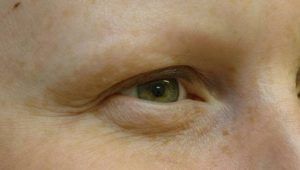
[fusion_builder_container hundred_percent=»yes» overflow=»visible»][fusion_builder_row][fusion_builder_column type=»1_2″ last=»no» spacing=»yes» center_content=»no» hide_on_mobile=»no» background_color=»» background_image=»» background_repeat=»no-repeat» background_position=»left top» hover_type=»none» link=»» border_position=»all» border_size=»0px» border_color=»» border_style=»» padding=»» margin_top=»» margin_bottom=»» animation_type=»» animation_direction=»» animation_speed=»0.1″ animation_offset=»» class=»» id=»»][fusion_text]La caída de las pestañas y de las cejas origina secuelas, fundamentalmente en la mujer,  y no sólo a nivel cosmético sino también funcional y social. A pesar de ello, esta alopecia no ha recibido demasiada atención.[/fusion_text][/fusion_builder_column][fusion_builder_column type=»1_2″ last=»yes» spacing=»yes» center_content=»no» hide_on_mobile=»no» background_color=»» background_image=»» background_repeat=»no-repeat» background_position=»left top» hover_type=»none» link=»» border_position=»all» border_size=»0px» border_color=»» border_style=»» padding=»» margin_top=»» margin_bottom=»» animation_type=»» animation_direction=»» animation_speed=»0.1″ animation_offset=»» class=»» id=»»][fusion_imageframe lightbox=»no» gallery_id=»» lightbox_image=»» style_type=»none» hover_type=»none» bordercolor=»» bordersize=»0px» borderradius=»0″ stylecolor=»» align=»none» link=»» linktarget=»_self» animation_type=»0″ animation_direction=»down» animation_speed=»0.1″ animation_offset=»» hide_on_mobile=»no» class=»» id=»»] [/fusion_imageframe][/fusion_builder_column][fusion_builder_column type=»1_1″ last=»yes» spacing=»yes» center_content=»no» hide_on_mobile=»no» background_color=»» background_image=»» background_repeat=»no-repeat» background_position=»left top» hover_type=»none» link=»» border_position=»all» border_size=»0px» border_color=»» border_style=»» padding=»» margin_top=»» margin_bottom=»» animation_type=»» animation_direction=»» animation_speed=»0.1″ animation_offset=»» class=»» id=»»][fusion_text]En el caso de personas sanas, hay un equilibro entre el número de pestañas que se encuentran en la fase anágena y las que se encuentran en la fase telógena, por lo que lo normal sería perder entre 130 y 230 pestañas al año. En el caso de las cejas, como el ciclo es un poco más largo que el de las pestañas, podríamos perder alrededor de unos 300 pelos por año.

A los 50 años ocurre una ralentización del metabolismo y un desequilibro de los distintos procesos del organismo, del que no escapan ni las pestañas ni las cejas.

Normalmente, se reduce el número de folículos y el pelo crece más lentamente, por lo que el equilibrio entre la etapa anágena y la telógena se pierde y la caída de las pestañas es mayor que el crecimiento de las nuevas. Esto varía mucho de una persona a otra, por lo que es difícil indicar el número de pestañas que se pierden en esta etapa.

El pelo crecerá un número finito de veces y luego el folículo se volverá inactivo, las cejas irán perdiendo densidad, a medida que se realizan hiperdepilaciones demasiado severas.


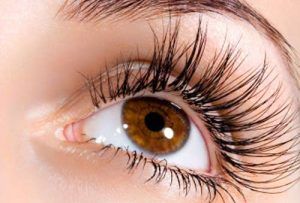
La caída de las pestañas y de las cejas origina secuelas, fundamentalmente en la mujer,  y no sólo a nivel cosmético sino también funcional y social. A pesar de ello, esta alopecia no ha recibido demasiada atención.
A continuación describimos otros motivos causantes de esta pérdida de crecimiento.[/fusion_text][/fusion_builder_column][fusion_builder_column type=»1_1″ last=»yes» spacing=»yes» center_content=»no» hide_on_mobile=»no» background_color=»» background_image=»» background_repeat=»no-repeat» background_position=»left top» hover_type=»none» link=»» border_position=»all» border_size=»0px» border_color=»» border_style=»» padding=»» margin_top=»» margin_bottom=»» animation_type=»» animation_direction=»» animation_speed=»0.1″ animation_offset=»» class=»» id=»»][fusion_text]

Tumores

En pacientes con carcinoma de células basales, carcinoma mucinoso cutáneo, melanoma maligno, metástasis dermatológicas del cáncer gastrointestinal y la mastocitosis sistémica y otros tumores.[/fusion_text][/fusion_builder_column][fusion_builder_column type=»1_2″ last=»no» spacing=»yes» center_content=»no» hide_on_mobile=»no» background_color=»» background_image=»» background_repeat=»no-repeat» background_position=»left top» hover_type=»none» link=»» border_position=»all» border_size=»0px» border_color=»» border_style=»» padding=»» margin_top=»» margin_bottom=»» animation_type=»» animation_direction=»» animation_speed=»0.1″ animation_offset=»» class=»» id=»»][fusion_text]

Trastornos autoinmunes

El hipotiroidismo, la alopecia areata, la, el lupus cutáneo crónico, el discoide, el lupus neonatal y la esclerodermia localizada, la esclerodermia, entre otras, también son causantes de este trastorno.[/fusion_text][/fusion_builder_column][fusion_builder_column type=»1_2″ last=»yes» spacing=»yes» center_content=»no» hide_on_mobile=»no» background_color=»» background_image=»» background_repeat=»no-repeat» background_position=»left top» hover_type=»none» link=»» border_position=»all» border_size=»0px» border_color=»» border_style=»» padding=»» margin_top=»» margin_bottom=»» animation_type=»» animation_direction=»» animation_speed=»0.1″ animation_offset=»» class=»» id=»»][fusion_imageframe lightbox=»no» gallery_id=»» lightbox_image=»» style_type=»none» hover_type=»none» bordercolor=»» bordersize=»0px» borderradius=»0″ stylecolor=»» align=»none» link=»» linktarget=»_self» animation_type=»0″ animation_direction=»down» animation_speed=»0.1″ animation_offset=»» hide_on_mobile=»no» class=»» id=»»] [/fusion_imageframe][/fusion_builder_column][fusion_builder_column type=»1_1″ last=»yes» spacing=»yes» center_content=»no» hide_on_mobile=»no» background_color=»» background_image=»» background_repeat=»no-repeat» background_position=»left top» hover_type=»none» link=»» border_position=»all» border_size=»0px» border_color=»» border_style=»» padding=»» margin_top=»» margin_bottom=»» animation_type=»» animation_direction=»» animation_speed=»0.1″ animation_offset=»» class=»» id=»»][fusion_text]

Dermatosis primarias y trastornos endocrinológicos

La dermatitis atópica y la dermatitis seborreica pueden asociarse con este trastorno. Por lo general, la primera de ellas aparece en la niñez y se caracteriza por prurito y xerosis importantes. Por otro lado, la caída lateral puede ser un hallazgo clínico en pacientes con hipotiroidismo.[/fusion_text][/fusion_builder_column][fusion_builder_column type=»1_2″ last=»no» spacing=»yes» center_content=»no» hide_on_mobile=»no» background_color=»» background_image=»» background_repeat=»no-repeat» background_position=»left top» hover_type=»none» link=»» border_position=»all» border_size=»0px» border_color=»» border_style=»» padding=»» margin_top=»» margin_bottom=»» animation_type=»» animation_direction=»» animation_speed=»0.1″ animation_offset=»» class=»» id=»»][fusion_text]

Infecciones

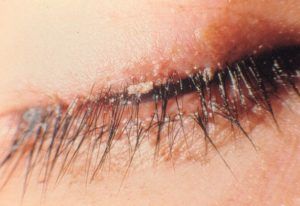
La lepra y la sífilis secundaria son los principales diagnósticos infecciosos a tener en cuenta en pacientes con pérdida de pestaña y cejas.

Una blefaritis también puede originar este trastorno.[/fusion_text][/fusion_builder_column][fusion_builder_column type=»1_2″ last=»yes» spacing=»yes» center_content=»no» hide_on_mobile=»no» background_color=»» background_image=»» background_repeat=»no-repeat» background_position=»left top» hover_type=»none» link=»» border_position=»all» border_size=»0px» border_color=»» border_style=»» padding=»» margin_top=»» margin_bottom=»» animation_type=»» animation_direction=»» animation_speed=»0.1″ animation_offset=»» class=»» id=»»][fusion_imageframe lightbox=»no» gallery_id=»» lightbox_image=»» style_type=»none» hover_type=»none» bordercolor=»» bordersize=»0px» borderradius=»0″ stylecolor=»» align=»none» link=»» linktarget=»_self» animation_type=»0″ animation_direction=»down» animation_speed=»0.1″ animation_offset=»» hide_on_mobile=»no» class=»» id=»»] [/fusion_imageframe][/fusion_builder_column][fusion_builder_column type=»1_2″ last=»no» spacing=»yes» center_content=»no» hide_on_mobile=»no» background_color=»» background_image=»» background_repeat=»no-repeat» background_position=»left top» hover_type=»none» link=»» border_position=»all» border_size=»0px» border_color=»» border_style=»» padding=»» margin_top=»» margin_bottom=»» animation_type=»» animation_direction=»» animation_speed=»0.1″ animation_offset=»» class=»» id=»»][fusion_text]

Traumas

Es la causa más frecuente de la pérdida de pestañas y cejas. En la tricotilomanía, los pacientes ocasionan la caída de las cejas y de las pestañas, además de la del cuero cabelludo. El trastorno afecta a hombres y mujeres y se considera de naturaleza psiquiátrica; puede aparecer simultáneamente con trastornos de ansiedad y del estado de ánimo y con el trastorno obsesivo compulsivo.[/fusion_text][/fusion_builder_column][fusion_builder_column type=»1_2″ last=»yes» spacing=»yes» center_content=»no» hide_on_mobile=»no» background_color=»» background_image=»» background_repeat=»no-repeat» background_position=»left top» hover_type=»none» link=»» border_position=»all» border_size=»0px» border_color=»» border_style=»» padding=»» margin_top=»» margin_bottom=»» animation_type=»» animation_direction=»» animation_speed=»0.1″ animation_offset=»» class=»» id=»»][fusion_imageframe lightbox=»no» gallery_id=»» lightbox_image=»» style_type=»none» hover_type=»none» bordercolor=»» bordersize=»0px» borderradius=»0″ stylecolor=»» align=»none» link=»» linktarget=»_self» animation_type=»0″ animation_direction=»down» animation_speed=»0.1″ animation_offset=»» hide_on_mobile=»no» class=»» id=»»] [/fusion_imageframe][/fusion_builder_column][fusion_builder_column type=»1_2″ last=»no» spacing=»yes» center_content=»no» hide_on_mobile=»no» background_color=»» background_image=»» background_repeat=»no-repeat» background_position=»left top» hover_type=»none» link=»» border_position=»all» border_size=»0px» border_color=»» border_style=»» padding=»» margin_top=»» margin_bottom=»» animation_type=»» animation_direction=»» animation_speed=»0.1″ animation_offset=»» class=»» id=»»][fusion_text]

Agentes exógenos

La alopecia inducida por quimioterapia es una manifestación muy frecuente. La pérdida de cejas y pestañas ocasiona gran distrés en los pacientes y puede ser un efecto secundario de la radioterapia (pacientes con micosis fungoide en los que se requiere elevada penetración de radiación ionizante).

La terapia con niacina puede asociarse con esta pérdida y la intoxicación con talio o retinol también debe incluirse en el diagnóstico diferencial.[/fusion_text][/fusion_builder_column][fusion_builder_column type=»1_2″ last=»yes» spacing=»yes» center_content=»no» hide_on_mobile=»no» background_color=»» background_image=»» background_repeat=»no-repeat» background_position=»left top» hover_type=»none» link=»» border_position=»all» border_size=»0px» border_color=»» border_style=»» padding=»» margin_top=»» margin_bottom=»» animation_type=»» animation_direction=»» animation_speed=»0.1″ animation_offset=»» class=»» id=»»][fusion_imageframe lightbox=»no» gallery_id=»» lightbox_image=»» style_type=»none» hover_type=»none» bordercolor=»» bordersize=»0px» borderradius=»0″ stylecolor=»» align=»none» link=»» linktarget=»_self» animation_type=»0″ animation_direction=»down» animation_speed=»0.1″ animation_offset=»» hide_on_mobile=»no» class=»» id=»»] [/fusion_imageframe][/fusion_builder_column][fusion_builder_column type=»1_1″ last=»yes» spacing=»yes» center_content=»no» hide_on_mobile=»no» background_color=»» background_image=»» background_repeat=»no-repeat» background_position=»left top» hover_type=»none» link=»» border_position=»all» border_size=»0px» border_color=»» border_style=»» padding=»» margin_top=»» margin_bottom=»» animation_type=»» animation_direction=»» animation_speed=»0.1″ animation_offset=»» class=»» id=»»][fusion_text]

Dermatosis genéticas

La pérdida de cejas y pestañas en los neonatos puede ser un marcador en numerosas enfermedades, algunas de ellas hereditarias y de pronóstico desfavorable. En ocasiones, puede ser una manifestación de inmunodeficiencia grave, del síndrome de Omenn o del síndrome de Netherton. La ictiosis folicular es otra alteración genética que se asocia con esta pérdida.

Medicamentos

Anticonceptivos, anticoagulantes, AINEs, anticonvulsivantes,…[/fusion_text][/fusion_builder_column][fusion_builder_column type=»1_1″ last=»yes» spacing=»yes» center_content=»no» hide_on_mobile=»no» background_color=»» background_image=»» background_repeat=»no-repeat» background_position=»left top» hover_type=»none» link=»» border_position=»all» border_size=»0px» border_color=»» border_style=»» padding=»» margin_top=»» margin_bottom=»» animation_type=»» animation_direction=»» animation_speed=»0.1″ animation_offset=»» class=»» id=»»][fusion_text]

Tratamientos

Lo primero se trata de afrontar con un tratamiento la patología de base.

Entre los tratamientos, desde la farmacia se formulan geles de latanoprost (tratamiento de glaucoma) que pueden ser útiles en casos de alopecia debida a envejecimiento, a la que es consecuencia de una alopecia areata, líquen plano, alopecia de cejas idiopática y que permite una mejora estética con un alto perfil de seguridad.

Los corticoides tópicos pueden ser de ayuda en algunas dermatitis atópica y agentes antifúngicos en algunas dermatitis seborreicas. Tratamientos con minoxidil tópico, inmunomoduladores tópicos pueden dar resultados en determinados casos.

También existe la opción de la micropigmentación de las cejas que está indicada para camuflar pequeñas zonas alopécicas más que para cubrir grandes afectaciones o como complemento previo o posterior al trasplante de pelo.

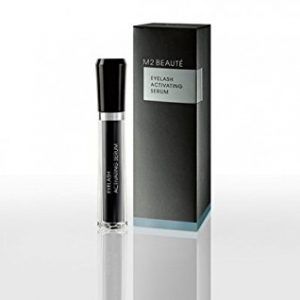
Además, existen en el mercado productos capaces de favorecer el crecimiento de tus cejas y pestañas y fortalecer las ya existentes, retrasando así su caída.

Dichos productos contienen un principio activo capaz de estimular la raíz de las cejas y pestañas consiguiendo unas pestañas más largas y unas cejas más pobladas y fortalecidas.[/fusion_text][/fusion_builder_column][fusion_builder_column type=»1_2″ last=»no» spacing=»yes» center_content=»no» hide_on_mobile=»no» background_color=»» background_image=»» background_repeat=»no-repeat» background_position=»left top» hover_type=»none» link=»» border_position=»all» border_size=»0px» border_color=»» border_style=»» padding=»» margin_top=»» margin_bottom=»» animation_type=»» animation_direction=»» animation_speed=»0.1″ animation_offset=»» class=»» id=»»][fusion_text]

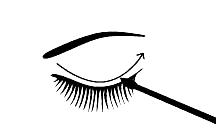
M2 Serum activador de pestañas:

Se aplica por la noche sobre el parpado limpio y seco, en la raíz de la pestaña y manteniendo el ojo cerrado[/fusion_text][/fusion_builder_column][fusion_builder_column type=»1_2″ last=»yes» spacing=»yes» center_content=»no» hide_on_mobile=»no» background_color=»» background_image=»» background_repeat=»no-repeat» background_position=»left top» hover_type=»none» link=»» border_position=»all» border_size=»0px» border_color=»» border_style=»» padding=»» margin_top=»» margin_bottom=»» animation_type=»» animation_direction=»» animation_speed=»0.1″ animation_offset=»» class=»» id=»»][fusion_imageframe lightbox=»no» gallery_id=»» lightbox_image=»» style_type=»none» hover_type=»none» bordercolor=»» bordersize=»0px» borderradius=»0″ stylecolor=»» align=»none» link=»» linktarget=»_self» animation_type=»0″ animation_direction=»down» animation_speed=»0.1″ animation_offset=»» hide_on_mobile=»no» class=»» id=»»] [/fusion_imageframe][/fusion_builder_column][fusion_builder_column type=»1_2″ last=»no» spacing=»yes» center_content=»no» hide_on_mobile=»no» background_color=»» background_image=»» background_repeat=»no-repeat» background_position=»left top» hover_type=»none» link=»» border_position=»all» border_size=»0px» border_color=»» border_style=»» padding=»» margin_top=»» margin_bottom=»» animation_type=»» animation_direction=»» animation_speed=»0.1″ animation_offset=»» class=»» id=»»][fusion_imageframe lightbox=»no» gallery_id=»» lightbox_image=»» style_type=»none» hover_type=»none» bordercolor=»» bordersize=»0px» borderradius=»0″ stylecolor=»» align=»none» link=»» linktarget=»_self» animation_type=»0″ animation_direction=»down» animation_speed=»0.1″ animation_offset=»» hide_on_mobile=»no» class=»» id=»»] [/fusion_imageframe][/fusion_builder_column][fusion_builder_column type=»1_2″ last=»yes» spacing=»yes» center_content=»no» hide_on_mobile=»no» background_color=»» background_image=»» background_repeat=»no-repeat» background_position=»left top» hover_type=»none» link=»» border_position=»all» border_size=»0px» border_color=»» border_style=»» padding=»» margin_top=»» margin_bottom=»» animation_type=»» animation_direction=»» animation_speed=»0.1″ animation_offset=»» class=»» id=»»][fusion_text]Se puede notar un pequeño escozor que desaparece pasados unos segundos.

Se consiguen resultados visibles a partir de la sexta semana de aplicaron y resultados óptimos en la semana dieciséis de tratamiento.[/fusion_text][/fusion_builder_column][fusion_builder_column type=»1_2″ last=»no» spacing=»yes» center_content=»no» hide_on_mobile=»no» background_color=»» background_image=»» background_repeat=»no-repeat» background_position=»left top» hover_type=»none» link=»» border_position=»all» border_size=»0px» border_color=»» border_style=»» padding=»» margin_top=»» margin_bottom=»» animation_type=»» animation_direction=»» animation_speed=»0.1″ animation_offset=»» class=»» id=»»][fusion_text]

M2 Serum reparador de cejas

Se aplica por la noche sobre las cejas previamente limpias y secas asegurándonos que el producto entre en contacto con la piel.[/fusion_text][/fusion_builder_column][fusion_builder_column type=»1_2″ last=»yes» spacing=»yes» center_content=»no» hide_on_mobile=»no» background_color=»» background_image=»» background_repeat=»no-repeat» background_position=»left top» hover_type=»none» link=»» border_position=»all» border_size=»0px» border_color=»» border_style=»» padding=»» margin_top=»» margin_bottom=»» animation_type=»» animation_direction=»» animation_speed=»0.1″ animation_offset=»» class=»» id=»»][fusion_imageframe lightbox=»no» gallery_id=»» lightbox_image=»» style_type=»none» hover_type=»none» bordercolor=»» bordersize=»0px» borderradius=»0″ stylecolor=»» align=»none» link=»» linktarget=»_self» animation_type=»0″ animation_direction=»down» animation_speed=»0.1″ animation_offset=»» hide_on_mobile=»no» class=»» id=»»] [/fusion_imageframe][/fusion_builder_column][fusion_builder_column type=»1_2″ last=»no» spacing=»yes» center_content=»no» hide_on_mobile=»no» background_color=»» background_image=»» background_repeat=»no-repeat» background_position=»left top» hover_type=»none» link=»» border_position=»all» border_size=»0px» border_color=»» border_style=»» padding=»» margin_top=»» margin_bottom=»» animation_type=»» animation_direction=»» animation_speed=»0.1″ animation_offset=»» class=»» id=»»][fusion_imageframe lightbox=»no» gallery_id=»» lightbox_image=»» style_type=»none» hover_type=»none» bordercolor=»» bordersize=»0px» borderradius=»0″ stylecolor=»» align=»none» link=»» linktarget=»_self» animation_type=»0″ animation_direction=»down» animation_speed=»0.1″ animation_offset=»» hide_on_mobile=»no» class=»» id=»»] [/fusion_imageframe][/fusion_builder_column][fusion_builder_column type=»1_2″ last=»yes» spacing=»yes» center_content=»no» hide_on_mobile=»no» background_color=»» background_image=»» background_repeat=»no-repeat» background_position=»left top» hover_type=»none» link=»» border_position=»all» border_size=»0px» border_color=»» border_style=»» padding=»» margin_top=»» margin_bottom=»» animation_type=»» animation_direction=»» animation_speed=»0.1″ animation_offset=»» class=»» id=»»][fusion_text]Se consiguen resultados visibles a partir de la octava semana de tratamiento.[/fusion_text][/fusion_builder_column][/fusion_builder_row][/fusion_builder_container]